Home › Non-running car removal
Won't start
Non-running car removal in Chilliwack
Non-running car removal in Chilliwack, whether it's a flat battery, a locked-up motor or a missing key. We haul it off without charge and pay before you sign.
Entry form
Admitone car
- Winch, dollies or wheel lift
- Keyless cars welcome when you own them
- No charge to haul it, money before signatures
Talk to a person: 604-800-7255
Symptoms
What "won't start" usually means
- Clicks but won't crankOften a battery, a starter or a corroded cable.
- Cranks but never firesWhich points to fuel, spark or timing.
- Won't turn over at allThe sign of a seized or locked-up engine.
- Starts but won't moveWhen the transmission or a driveshaft has given up.
- Dash lights everywhereWith blown fuses and wiring faults that keep coming back.
- Stuck in park, key nowhereSo pushing it is out of the question.
Loading
Getting a stubborn car onto the deck
Four common situations and what the driver does about each.
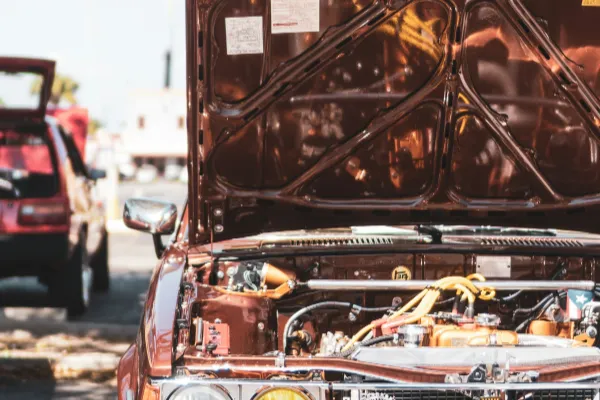
The flatbed tilts down, a cable hooks on and the car is drawn up the ramp, then chained and strapped.
Brakes seized, handbrake stuck or no key for the shifter: the jammed end rides on dollies or the wheel lift.
Parked tight in a garage or against a fence, the car is coaxed out a short way before loading starts.
On a sloped driveway the cable keeps tension on the car from start to finish, so it can't run away.
Dead car in the driveway?
604-800-7255Describe what happens when you try the ignition.Judges' notes
Non-running car removal in Chilliwack: before you book
A few checks worth doing, the street rules and how loading works.
Try these before you give up
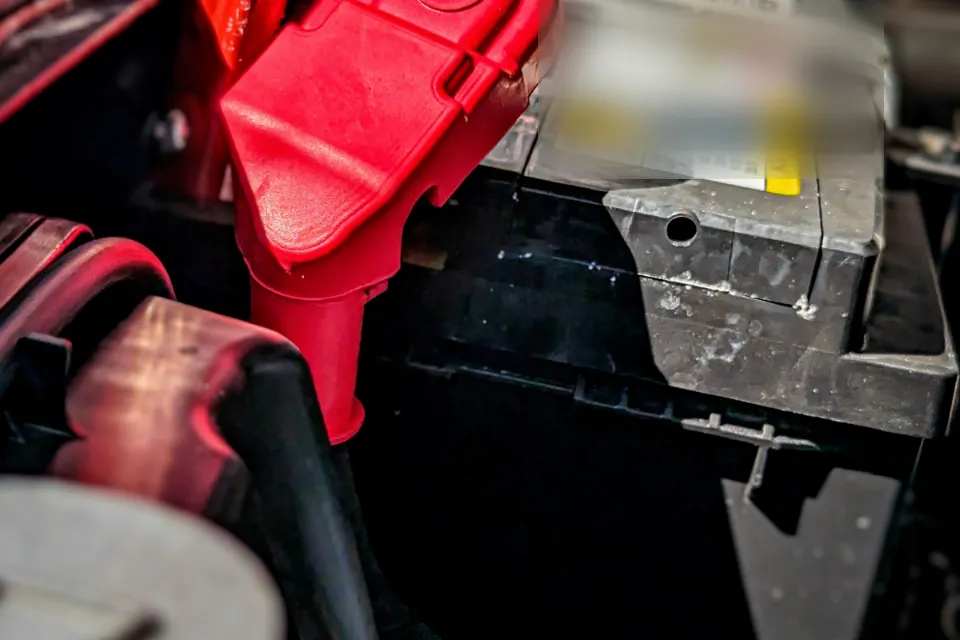
Some no-starts are cheap to fix. Check that the battery terminals are tight and free of white or green crust, that there's fuel in the tank and that the main fuse hasn't blown.
Batteries rarely outlast six winters around here, so an old one is suspect number one. If a boost brings the engine to life and it keeps idling, the car may be worth selling as a runner instead.
Seized, or just stubborn?
An engine that cranks slowly is different from one that won't turn at all. A seized engine usually comes from running out of oil, overheating badly or sitting for years with water getting in.
Fixing a seized engine means a rebuild or a replacement. On an older car that's rarely worth it, and that's where a removal makes sense.
Transmission trouble
If the engine runs but the car won't move in drive or reverse, or it slips and flares between gears, the transmission is the likely cause.
Ask for a written quote before deciding. A rebuilt transmission can cost more than an older car is worth, and the quote helps us price the car fairly too.
A dead car on a Chilliwack street
Chilliwack's Highway and Traffic Bylaw (No. 4686) lets a vehicle stay up to seven days on most paved streets and 72 hours in the time-limit zones. A vehicle with no valid licence can't be left on a street at all and can be impounded.
If your car has died at the curb and the insurance has lapsed, move it or book the removal soon. Our street parking page covers the rules in more detail.
Garages and narrow carports
A car that quit inside a single garage often has barely enough room to open a door. Since a flatbed can't reverse into most garages, the car gets drawn out by cable before it's loaded.
Help by raising the door all the way and clearing the floor. If you can get in, shift to neutral. When the door opener has no power, the red release cord lets you lift the door by hand.
Missing keys and a locked wheel
Losing every key doesn't stop a sale; the registration and your ID prove the car is yours. What changes is the loading.
With no key, the steering column locks and an automatic can't leave park, so the jammed end rides on dollies or a wheel lift. Mention if the doors are also locked, since the handbrake sometimes needs releasing from inside.
Cold snaps and flat batteries
Batteries lose cranking power in the cold, so a weak one that limped through the fall often gives up in the first cold snap. A car that sits for weeks drains its battery too.
If a new battery doesn't bring the car back, the problem is somewhere else, and it's usually time to stop spending money on it.
Your questions
Questions about cars that won't start
Can you tow a car in Chilliwack that won't start?
Yes. Whether it's a flat battery or a blown motor, a dead car can still be hauled away. Free-rolling cars get pulled onto the flatbed by cable; cars with seized brakes or no key ride out on dollies or a wheel lift. Tick "Won't start" on the entry form and add whatever else you know.
Does a non-runner still get towed for free?
It does. Whether the engine turns over or not, hauling it away inside the City of Chilliwack costs you nothing. A car that won't start still carries a converter, steel and salvageable parts, so most non-runners earn their owner some money, handed over once the driver has looked the car over.
The keys are gone. Is that a problem?
No. ICBC cares about the registration and your ID, not about who holds a key. A keyless car simply can't be steered or shifted out of park, so its front or back end gets lifted onto dollies or a wheel lift for the trip.
My car died on the street. How long can it stay there?
On most paved Chilliwack streets a vehicle can stay up to seven days under Bylaw 4686, but only 72 hours in the time-limit zones downtown and in Sardis, Garrison and Promontory. A car without a valid licence can't be left on a street at all, so it's worth moving quickly.
Should I buy a battery or fill the tires first?
Save your money. The pickup works with a dead battery and soft tires. If the tires happen to hold air, topping them up that morning helps the car roll, but a new battery for a car headed to the recycler is money you won't get back.
A seized engine: will I still be paid?
Most of the time, yes. A locked-up motor knocks the value down but doesn't wipe it out, because the body, the catalytic converter and plenty of other parts are still worth something. Describe the car on the entry form and you'll get a figure.
It's stuck deep in my garage. Can you still get it?
Yes, in most garages. A cable run from the truck draws the car back out onto the driveway, where it can be loaded. Raise the door fully, push bikes and storage to the side and, if the car can be shifted, leave it in neutral. A powerless opener has a red release cord to pull.
Keep browsing
More to look at
Car not going anywhere?
Fill in the entry form or ring us. Mention whether it cranks, whether it rolls and whether you have a key, and the pickup gets planned to suit.
604-800-7255Use the entry form